PLURALS
Form plural nouns in Russian based on the gender and ending. Discover a special spelling rule to learn when to use -ы and -и.
In this lesson:
- Learn how to form regular plurals for masculine, feminine, and neuter nouns.
- Learn when to use -ы and when to use -и.
- Learn nouns that are always plural.
Step 1 of 6: Multiply
Multiply
In the last lesson, you learned how to identify the gender of Russian nouns. Today, you're going to learn how to make those nouns plural!
Just like in English, Russian nouns can be singular or plural. But unlike English, Russian has several different ways of forming plurals depending on the gender and ending of the noun.
Feminine Plurals
Do you remember the three common endings for feminine nouns?
Let me remind you: -а, -я and -ь
Let's start with the easy ones.
 зме́иsnakes
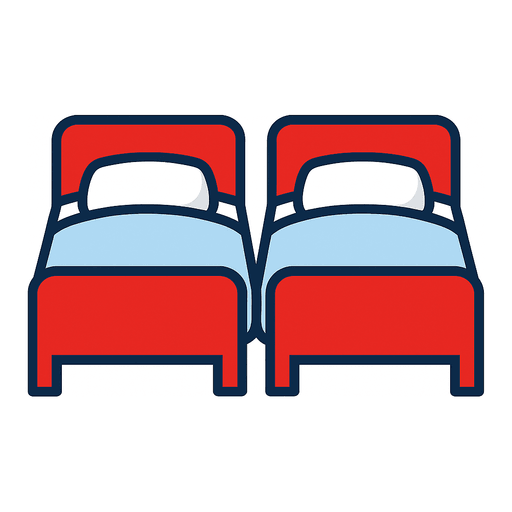 крова́тиbeds
Feminine nouns ending in -Я or -Ь change their ending to -И in the plural.
змеЯ́ → зме́И
семьЯ́→ се́мьИ
крова́тЬ → крова́тИ
ночЬ → ночИ́
Simple, right? Let's practice!
Write the plural form of each noun
- иде́я
- тётя
- тетра́дь
- неде́ля
- дверь
- фами́лия
- жизнь
- исто́рия
Now, what about feminine nouns ending in -А? Well, these are a little more tricky! In the plural, -А can change to either -Ы or -И.
 маши́ныcars
 кни́гиbooks
маши́нА → маши́нЫ
кни́гА → кни́гИ
Don't be scare just yet! There is actually a spelling rule that can help you!
If the consonant immediately before -А is К, Г, Х, Ч, Ш, Щ, Ж, then -А changes to -И.
у́ткА → у́ткИ
кни́гА → кни́гИ
му́хА → му́хИ
да́чА → да́чИ
душА́ → ду́шИ
тёщА → тёщИ
лу́жА → лу́жИ
Why? Because Russian spelling rules do not allow ы after г, к, х, ж, ч, ш, щ. So instead, we use и.
And if the consonant before -А is any other consonant, then -А changes to -Ы.
шко́лА → шко́лЫ
пробле́мА → пробле́мЫ
ка́ртА → ка́ртЫ
Write the plural form of each noun
- соба́ка
- су́мка
- ма́ма
- страна́
- шко́ла
- ба́бушка
- же́нщина
- ру́чка
Let's summarise!
| Singular | Plural | |||
|---|---|---|---|---|
| Ь | тетра́дь | И | тетра́ди | |
| Я | ку́хня | И | ку́хни | |
| К, Г, Х, Ч, Ш, Щ, Ж + | А | соба́ка | И | соба́ки |
| other сonsonant + | А | маши́на | Ы | маши́ны |
Masculine Plurals
Now let's move on to masculine nouns. Masculine nouns end in a consonant or -ь, right? The good news is that the plural patterns are very similar to what we've just learned.
 геро́иheros
 оте́лиhotels
Masculine nouns ending in -Й or -Ь change their ending to -И.
геро́Й → геро́И
оте́лЬ → оте́лИ
 фла́гиflags
 анана́сыpineapples
And again, for the rest of the masculine nouns ending in a consonant, the last letter is very important.
If the final consonant is К, Г, Х, Ч, Ш, Щ, Ж, then you add И to the ending.
парк → па́ркИ
флаг → фла́гИ
запах → за́пахИ
ключ → ключИ́
карандаш → карандашИ́
плащ → плащИ́
нож → ножИ́
And if the noun ends in another consonant, then you add Ы to the ending.
анана́с → анана́сЫ
стол → столЫ
Write the plural form of each noun
- уче́бник
- слон
- банк
- рубль
- музе́й
- докуме́нт
- врач
- слова́рь
- календа́рь
- шкаф
Let's summarise!
| Singular | Plural | |||
|---|---|---|---|---|
| Ь | слова́рь | И | слова́ри | |
| Й | музе́й | И | музе́и | |
| К, Г, Х, Ч, Ш, Щ, Ж | парк | + И | па́рки | |
| other сonsonant | стол | + Ы | столы́ |
Neuter Plurals
Do you remember that Russian has three genders? Great! And what do neuter nouns usually end in? -О or -Е. Let's see what happens when we make them plural.
 пи́сьмаletters
 о́кнаwindows
Neuter nouns ending in -O change the ending to -А.
письмО́ → пи́сьмА
окнО́ → о́кнА
 зда́нияbuildings
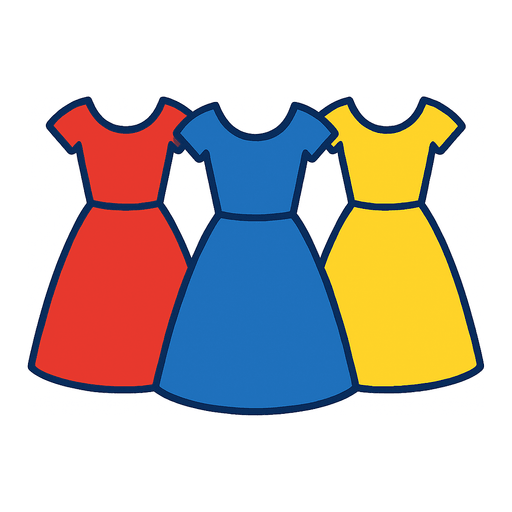 пла́тьяdresses
Neuter nouns ending in -Е change the ending to -Я.
зда́ниЕ → зда́ниЯ
пла́тьЕ → пла́тьЯ
There is one spelling pattern worth paying attention to. Do not write Я after Ц. Thus, words ending in ЦЕ change to ЦА.
со́лнцЕ → со́лнцА
се́рдцЕ → сердцА́
полоте́нцЕ → полоте́нцА
блю́дцЕ → блю́дцА
Write the plural form of each noun
- вино́
- окно́
- зада́ние
- зда́ние
- мо́ре
- ме́сто
- сло́во
- письмо́
- пла́тье
- полоте́нце
Let's summarise!
| Singular | Plural | |||
|---|---|---|---|---|
| О | ме́сто | А | места́ | |
| Е | мо́ре | Я | моря́ | |
| Ц + | Е | полоте́нце | А | полоте́нца |
Sort each word into the right group
- SingularNothing here yet.
- plural Nothing here yet.
Write the plural form of each noun
- окно́
- па́па
- кре́сло
- ба́бушка
- пла́тье
- дя́дя
- сло́во
- уче́бник
- тетра́дь
- каранда́ш
Always Plural
Did you know that there are some Russian nouns that are always plural?That means they don't have a normal singular form. Here are a few useful ones to learn:
де́ньги – money
часы́ – clock / watch
очки́ – glasses
брю́ки – trousers
штаны́ – pants / trousers
джи́нсы – jeans
но́жницы – scissors
кани́кулы – holidays / school vacation
духи́ – perfume
весы́ – scales
ша́хматы – chess
ша́шки – checkers
Notice that all of these words look plural and grammatically, they are plural. Even when we're talking about one object, we still use a plural form.
Checkpoint
Three genders, four plural endings and one spelling rule. Let’s check they’ve stuck!
Match the pairs
Multiple choice
1.Шко́ла is feminine and ends in -а. Which plural is correct?
2.Анана́с is masculine and ends in a consonant. Which plural is correct?
3.A noun ends in К, Г, Х, Ч, Ш, Щ or Ж. Which letter can follow it in the plural, Ы or И?
4.Окно́ is neuter and ends in -о. Which plural is correct?
5.Брю́ки means trousers. Which form do you use when talking about just one object?
That’s Урок 2 finished 🎉 Next time we look at the plurals that break the rules. See you there!