ЫЙ ADJECTIVES
Russian adjectives change their endings to match the noun they describe. Learn the four ЫЙ endings (-ый, -ое, -ая, -ые) and pick up 10 colours along the way.
In this lesson:
- Learn basic information about adjectives
- Learn how the ЫЙ ending changes depending on the gender
- Learn 10 colour names
Step 1 of 11: What adjectives do
What adjectives do
Adjectives describe nouns and pronouns. In Russian, an adjective has to match the noun it describes – change the noun, and the adjective's ending changes with it.
There are four groups to match: masculine, neuter, feminine, and plural.
Each gender has a few possible endings. For example, -ый, -ий and -ой are all masculine endings. But the feminine, neuter and plural forms are all built from the masculine form, so the masculine adjective is treated as the default. It's also the form that you'll find in a dictionary.
It starts with ЫЙ
- кра́сныйred
- жёлтыйyellow
- зелёныйgreen
Look at these words. What have you noticed? All 3 ends the same way with -ый, which is the masculine ending.
You probably have seen other -ый adjectives already, like до́брый in до́брый день ("good afternoon") or до́брый ве́чер ("good evening").
Make it neuter with ОЕ
So how do you say "good morning"? До́брое у́тро! What happened? До́брый became до́брое. Why? Because у́тро is a neuter noun, making -ое the neuter ending.
Keep that pair in your head. До́брый день, but до́брое у́тро. It's the whole lesson in two phrases.
ЫЙ ⇨ ОЕ
 кра́сный пе́рецred pepper
 жёлтый пе́рецyellow pepper
 зелёный пе́рецgreen pepper
Пе́рец is a masculine noun, so all the adjectives have a masculine ending. How will these adjectives change if we change the noun to я́блоко, which is neuter?
Fill in the blanks with correct endings
- кра́сныйкра́сня́блоко
- жёлтыйжёлтя́блоко
- зелёныйзелёня́блоко
Бе́лый и Чёрный
Let's add more colours.
- бе́лыйwhite
- чёрныйblack
Choose the correct ending to match each noun
 бе́лтигр
 бе́лодея́ло
 бе́лмедве́дь
 бе́лмы́ло
 бе́лполоте́нце
Choose the correct ending to match each noun
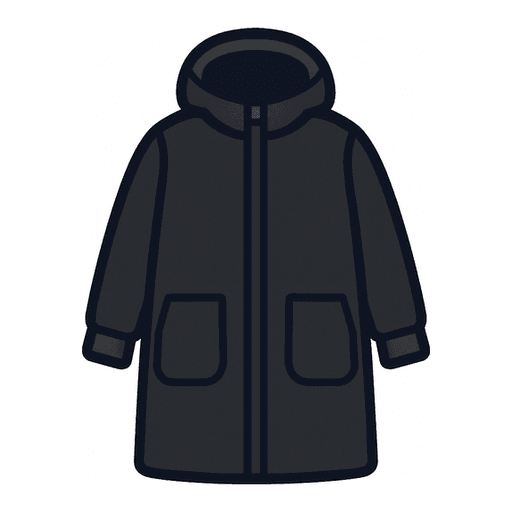 чёрнпальто́
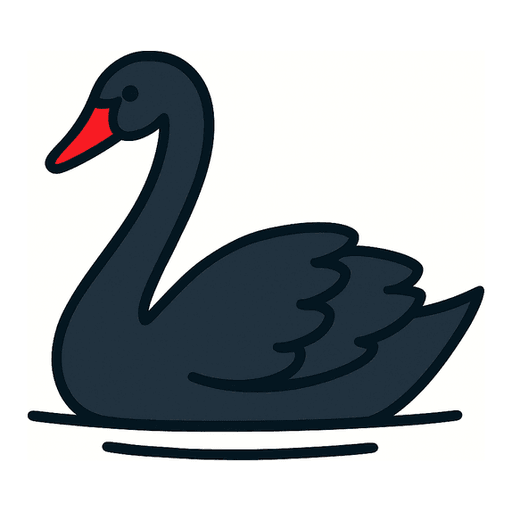 чёрнле́бедь
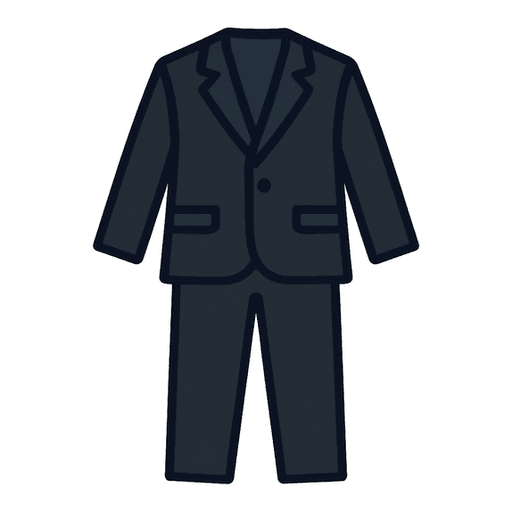 чёрнкостю́м
 чёрнко́фе
 чёрно́блако
The feminine ending
-ая is the feminine ending. For example, if you want to say "a black card" in Russian, it is чёрная ка́рточка.
That gives us three of the four:
-
-ый – masculine
-
-ое – neuter
-
-ая – feminine
Review the colours
Time to recall the colours themselves, not just the endings. Every noun below is feminine, so every answer takes -ая. The challenge is remembering the colour word.
Choose the answer
 ка́рточка
 ка́рточка
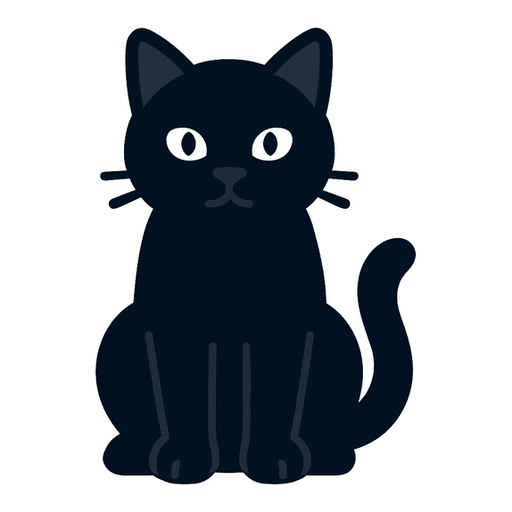 ко́шка
 маши́на
 кру́жка
 ко́шка
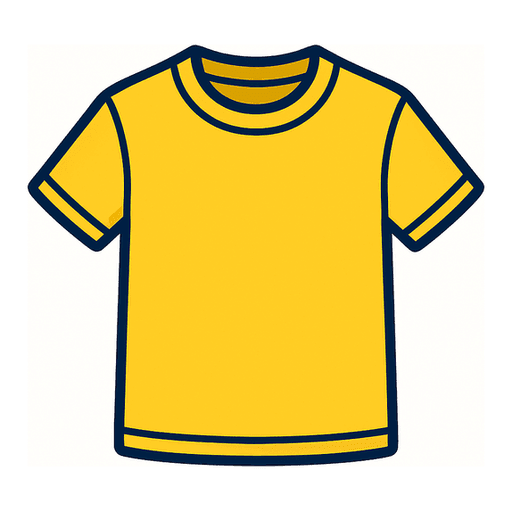 футбо́лка
 бума́га
 руба́шка
 ру́чка
Two more colours
- ро́зовыйpink
- фиоле́товыйpurple
Choose the correct ending to match each noun
 ро́зовдива́н
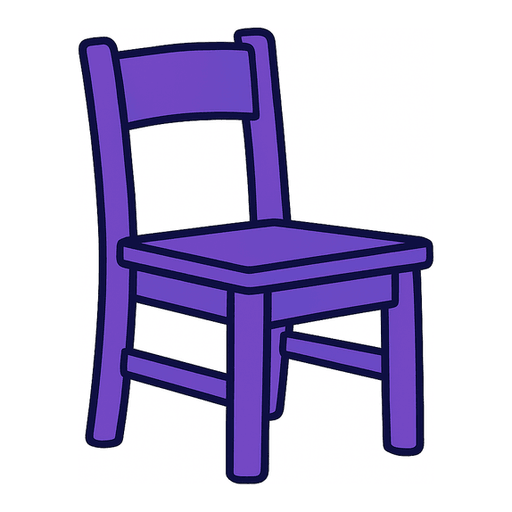 фиоле́товстул
 фиоле́товодея́ло
 ро́зовподу́шка
 ро́зовпла́тье
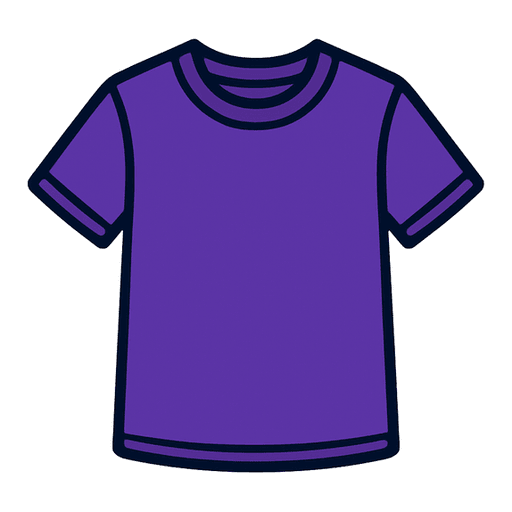 фиоле́товфутбо́лка
Now, what about plurals?
There is only one plural adjective form, regardless of the gender of the noun.
- ора́нжевыйorange
As you can see, there is only one plural adjective form for all genders. It is formed from the masculine adjective by changing -ый to -ые.
Fill in the blanks with plural endings
 ора́нжевподу́шки
 ора́нжевпла́тья
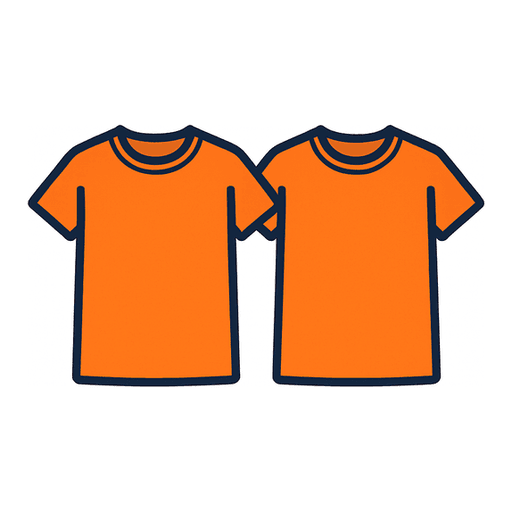 ора́нжевфутбо́лки
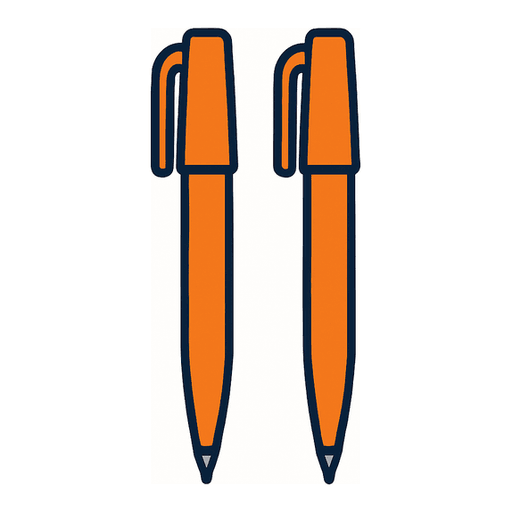 ора́нжевру́чки
 ора́нжевкру́жки
Let's summarise
| Picture | Group | Ending |
|---|---|---|
 | Masculine | -ый |
 | Neuter | -ое |
 | Feminine | -ая |
 | Plural | -ые |
The last two
- кори́чневыйbrown
- се́рыйgrey
Choose the correct ending to match each noun
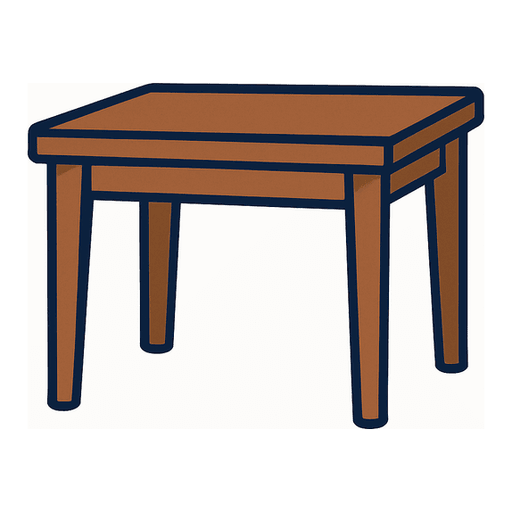 кори́чневстол
 се́рко́шка
 кори́чневпальто́
 се́роблака́
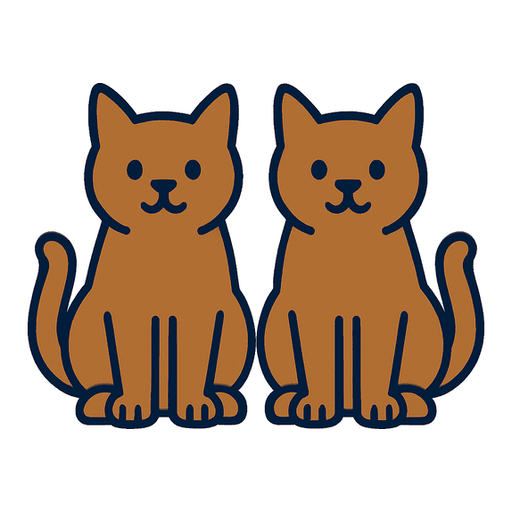 кори́чневко́шки
 кори́чневру́чка
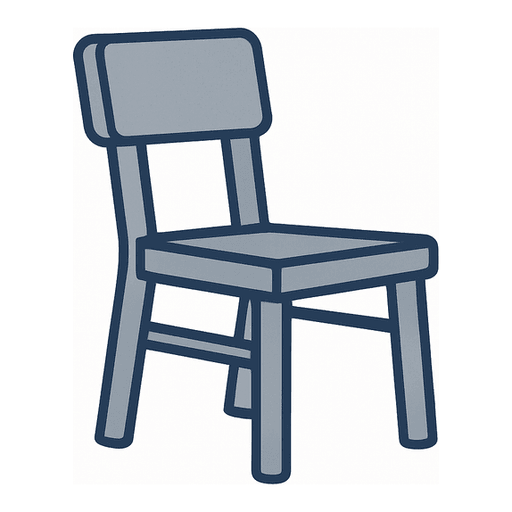 се́рстул
 кори́чневмаши́ны
 се́рруба́шка
 се́ркостю́м
Checkpoint
That's all 10 colours and all four endings. Let's do a quick review.
Match the pairs
Multiple choice
1.Which ending is the neuter one?
2.Ко́фе ends in -е. Which is correct?
3.How many plural adjective endings does Russian have?
4.Which form would you find in a dictionary?
5.Соба́ка (dog) is feminine. How do you say brown dog?
You are all done for today 🎉 In the next lesson, you'll meet ten more -ый adjectives! See you there!
Frequently asked questions
What are the Russian adjective endings?
For the ЫЙ group there are four: -ый for masculine nouns, -ое for neuter, -ая for feminine, and -ые for plurals of any gender. So кра́сный дом, кра́сное я́блоко, кра́сная маши́на, кра́сные дома́.
Why is it до́брое у́тро and not до́брый у́тро?
Because у́тро (morning) is a neuter noun, and adjectives must match the gender of the noun they describe. День (day) is masculine, so it's до́брый день, but у́тро is neuter, so it's до́брое у́тро.
Is ко́фе masculine or neuter in Russian?
Masculine, despite ending in -е, which normally signals a neuter noun. So you say чёрный ко́фе, not чёрное ко́фе. It's a well-known exception worth memorising early.
How many plural adjective endings does Russian have?
Only one. In the plural, gender stops mattering: ора́нжевый стол becomes ора́нжевые столы́, ора́нжевое пла́тье becomes ора́нжевые пла́тья, and ора́нжевая ру́чка becomes ора́нжевые ру́чки.
What is the dictionary form of a Russian adjective?
The masculine singular form — the one ending in -ый, -ий or -ой. The neuter, feminine and plural forms are all built from it, which is why it's treated as the default.